PRP and PRF are regenerative treatments made from the client’s own blood. Our two-day PRP training course in London covers everything you need to offer them safely: Anatomy & Physiology Level 3, phlebotomy, microneedling, PRP and PRF, with hands-on practice on live models at our Maida Vale training centre.
Phlebotomy, PRP, PRF and Microneedling
Phlebotomy, PRP, PRF and Microneedling (2 days, 24 CPD hours, £1,299.00) is a regenerative aesthetics programme that combines five qualifications in one structured pathway. It is designed for aesthetic practitioners, beauty professionals and healthcare professionals who want to expand into regenerative aesthetics.
Before the course: Anatomy & Physiology Level 3
You receive access to our online learning portal to complete the Anatomy & Physiology Level 3 pre-study: facial anatomy, skin structure, wound healing, infection control, consultation and treatment planning, so you arrive ready for the practical days.
Day 1: phlebotomy and microneedling
Phlebotomy (venepuncture) comes first, because safe blood collection is essential for PRP and PRF. The morning covers the theory, and the afternoon is practical training with supervised hands-on experience.
- Phlebotomy: the circulatory system, infection control and aseptic technique, equipment and needle selection, blood collection methods, handling and processing samples, preventing complications, consultation and safe practice.
- Microneedling: skin anatomy, indications and contraindications, consultation, treatment protocols, collagen stimulation, skin rejuvenation and combination therapies.
- Practical: vein selection, supervised blood draws, microneedling procedures, infection control, sharps disposal and live model treatments.
Day 2: PRP and PRF therapy
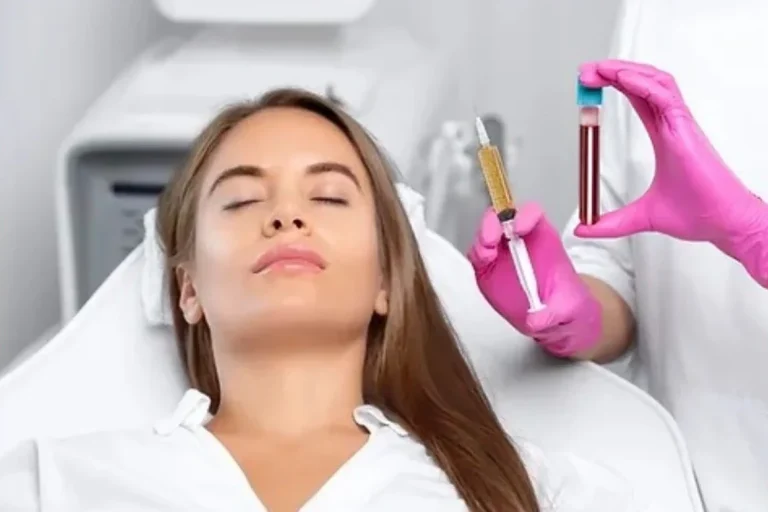
PRP (platelet-rich plasma) and PRF (platelet-rich fibrin) use platelets and growth factors from the client’s own blood to support skin rejuvenation, collagen production, hair restoration and tissue regeneration.
- Theory: the science of PRP and PRF and the differences between them, centrifuge protocols, blood processing, growth factors, treatment planning, consultation, contraindications, safety protocols and aftercare.
- Practical: blood collection, centrifuge preparation, PRP and PRF preparation, injection and mesotherapy techniques, microneedling combination treatments and safe application for the face, scalp and body, on live models under expert supervision.
What you receive
On successful completion you are certified in five areas: Anatomy & Physiology Level 3, Phlebotomy, Microneedling, PRP and PRF. The programme is CPD-accredited and your certificate is recognised by the leading aesthetic insurance companies.
Related training
- The skin booster and polynucleotides training adds injectable skin boosters to a regenerative treatment menu.
- The Fast Track Aesthetics Course for beginners includes microneedling and mesotherapy alongside foundation injectables.
Who can book
Registered medical professionals can book without prerequisites, as long as their registration is current. Non-medics can join if they hold one of: NVQ Level 3 in Beauty Therapy; Anatomy & Physiology Level 3 plus 6 months of medical needling experience; NVQ Level 2 in Beauty Therapy plus 3 months of medical needling experience and Anatomy & Physiology Level 3; or 12 months of medical needling experience. If you are unsure whether you qualify, ask us before you book.
Cost and payment
The course is £1,299.00. You can pay in full or spread the cost with Klarna or PayPal; full payment is due at least 10 days before your course starts. Compare every course on our full course list.
PRP training questions
How long is the PRP training course?
2 days, with 24 CPD hours, plus the Anatomy & Physiology Level 3 pre-study online before the practical days.
Why is phlebotomy included?
Safe blood collection is essential for PRP and PRF, so phlebotomy (venepuncture) is a required first step before you learn PRP and PRF techniques.
What is the difference between PRP and PRF?
Both are prepared from the client’s own blood. PRP is platelet-rich plasma and PRF is platelet-rich fibrin; the course covers the science, preparation and centrifuge protocols for each, and when to use them.
Which certificates will I receive?
Anatomy & Physiology Level 3, Phlebotomy, Microneedling, PRP and PRF, recognised by the leading aesthetic insurance companies.
Do I practise on real models?
Yes. Both days include supervised hands-on practice on live models: blood draws and microneedling on day 1, and PRP and PRF preparation and treatment on day 2.
Where does the training take place?
Practical training takes place at our training centre in Maida Vale, London W9.
Book your PRP training
See the next course dates, compare all courses and prices, or talk to us.