Aesthetics is one of the few healthcare-related careers you can enter from almost any background. Nurses, dentists and doctors add injectables to their skills, and beauty therapists and complete beginners train from scratch. The route is different for each, so this guide sets out the steps for both.
Step 1: Know which route applies to you
Training providers and insurers treat two groups differently:
- Registered medical professionals: doctors, dentists, nurses, midwives, paramedics, dental therapists and hygienists, pharmacists, physiotherapists and physician associates. With a current registration, you can usually move from foundation to advanced training quickly.
- Non-medics: everyone else, including beauty therapists, career changers and complete beginners. You can train and practise too, but you start with a beginner course and build experience before advanced injectables.
If you are a nurse or medic, see our courses for nurses and medics. If you have no medical background, our courses for non-medics explain your route in detail.
Step 2: Choose accredited, hands-on training
What you learn, and how you learn it, decides whether you can get insured. Look for:
- CPD accreditation, so your certificate is recognised
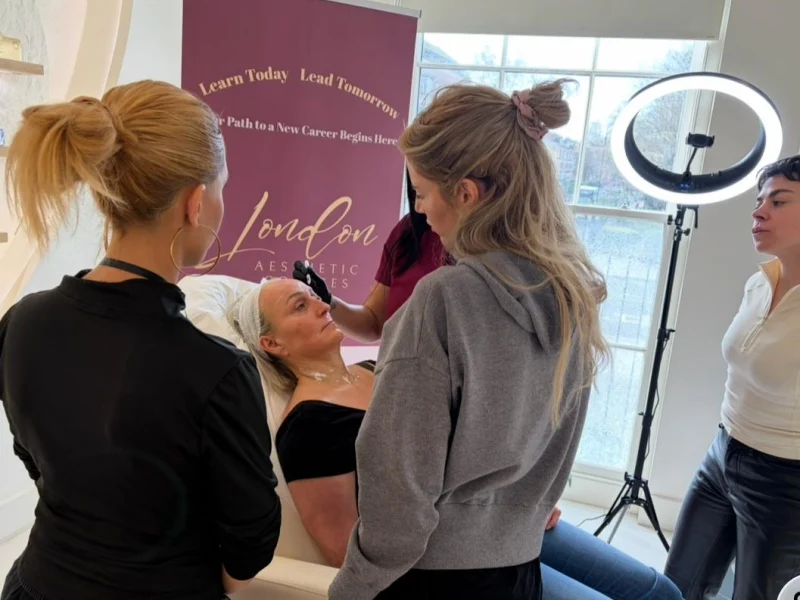
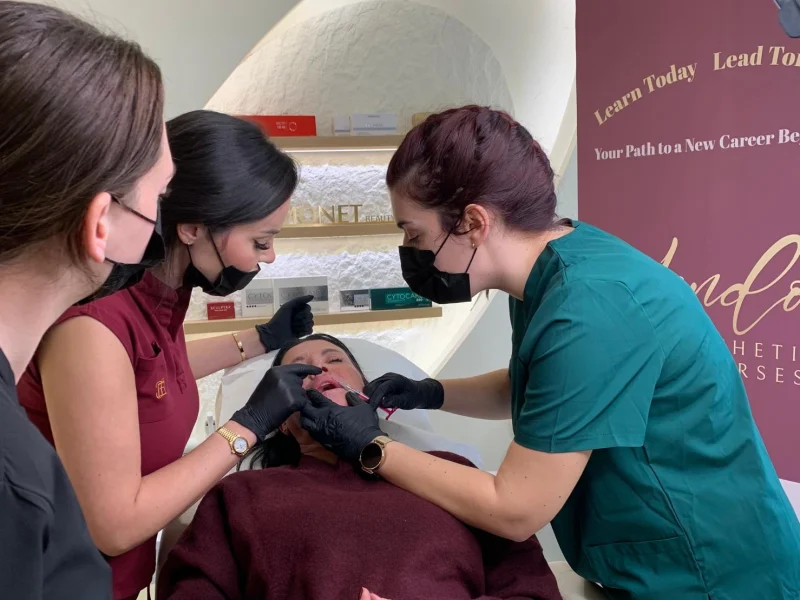
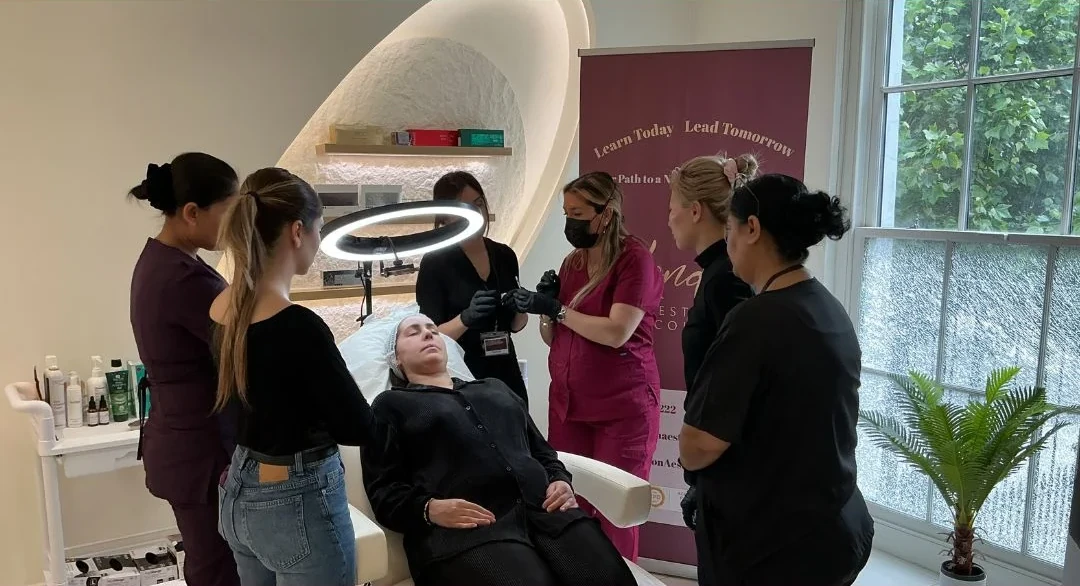
- Practice on live models, not only mannequins or theory
- Small groups, so a trainer can watch your technique
- Anatomy and complications covered properly, not as an afterthought
Our guide on how to choose an aesthetic training course in London covers the red flags to avoid.
Step 3: Start with the core treatments
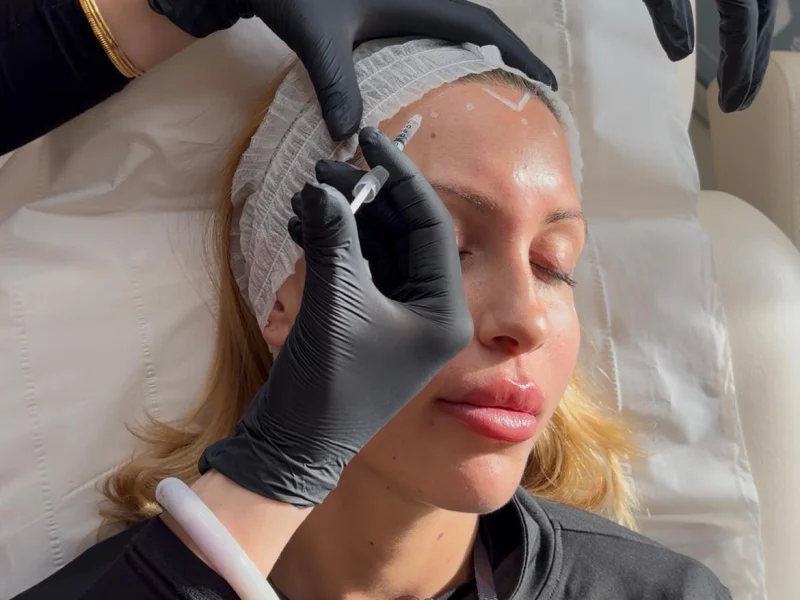
Most practitioners begin with the two treatments clients ask for most: anti-wrinkle injections and dermal fillers. Not sure which to learn first? Read anti-wrinkle vs dermal filler training.
- Non-medics start with our 3-Day Fast Track. It needs no prerequisites and gives six CPD-accredited certificates: foundation anti-wrinkle, foundation dermal fillers, mesotherapy, microneedling, B12 injections and Anatomy & Physiology Level 3.
- Medics usually start with the Foundation Anti-Wrinkle and Dermal Fillers course: online theory, then a practical day covering seven in-demand treatments.
Step 4: Understand the rules on Botox and fillers
- Botulinum toxin is a Prescription-Only Medicine. Every client needs a valid prescription from a qualified prescriber before treatment. This applies to non-medics and to non-prescribing medics alike.
- Dermal fillers are not prescription-only, but you still need accredited training, insurance and safe practice.
- Regulation of non-surgical cosmetic treatments in England is being tightened, with a licensing scheme planned. Choosing thorough, accredited training now puts you in the best position as the rules change.
Our UK aesthetic training requirements guide answers the most common questions in more detail.
Step 5: Get insured
You need professional indemnity insurance before you treat any client. Insurers check that your training is accredited and practical. Our Fast Track course was designed with a UK insurance provider, so that non-medics finish with training that meets the criteria for cover.
Step 6: Build experience, then specialise
Your first months in practice build the confidence clients notice. When you’re ready, add advanced skills:
- Advanced anti-wrinkle, from brow lift to masseter and hyperhidrosis
- Lip masterclass
- Facial contouring and micro-cannula techniques
- Skin boosters and polynucleotides
Non-medics qualify for advanced courses after the Fast Track and six months of experience. You can qualify sooner with NVQ Level 3 in Beauty Therapy, or with medical needling experience plus Anatomy & Physiology Level 3.
Step 7: Grow your client base
Start with people you know, keep thorough consultation records and before-and-after photos (with consent), and ask happy clients for reviews. Our article on the benefits of a career in aesthetics covers what the work can offer.
Frequently asked questions
Can I become an aesthetic practitioner without a medical background?
Yes. Non-medics can train and practise in the UK. Start with a beginner course open to non-medics, such as our 3-Day Fast Track, get insured, and build experience before moving on to advanced injectables.
How long does it take to become an aesthetic practitioner?
You can complete a foundation course in a few days. Non-medics then need about six months of working experience before advanced courses, unless they already hold NVQ Level 3 in Beauty Therapy or the medical needling experience and Anatomy & Physiology Level 3 described above.
Can non-medics give Botox?
Yes, with the right setup. Botulinum toxin is a Prescription-Only Medicine, so each client needs a valid prescription from a qualified prescriber first, and you need accredited training and insurance.
Which aesthetic course should I take first?
Most people start with anti-wrinkle injections and dermal fillers. Non-medics usually start with the Fast Track; nurses and medics usually start with the Foundation Anti-Wrinkle and Dermal Fillers course.