



ETHICAL CONSIDERATIONS BEFORE COSMETIC INTERVENTIONS
-
25 September 2023
-
by
-
No Comments
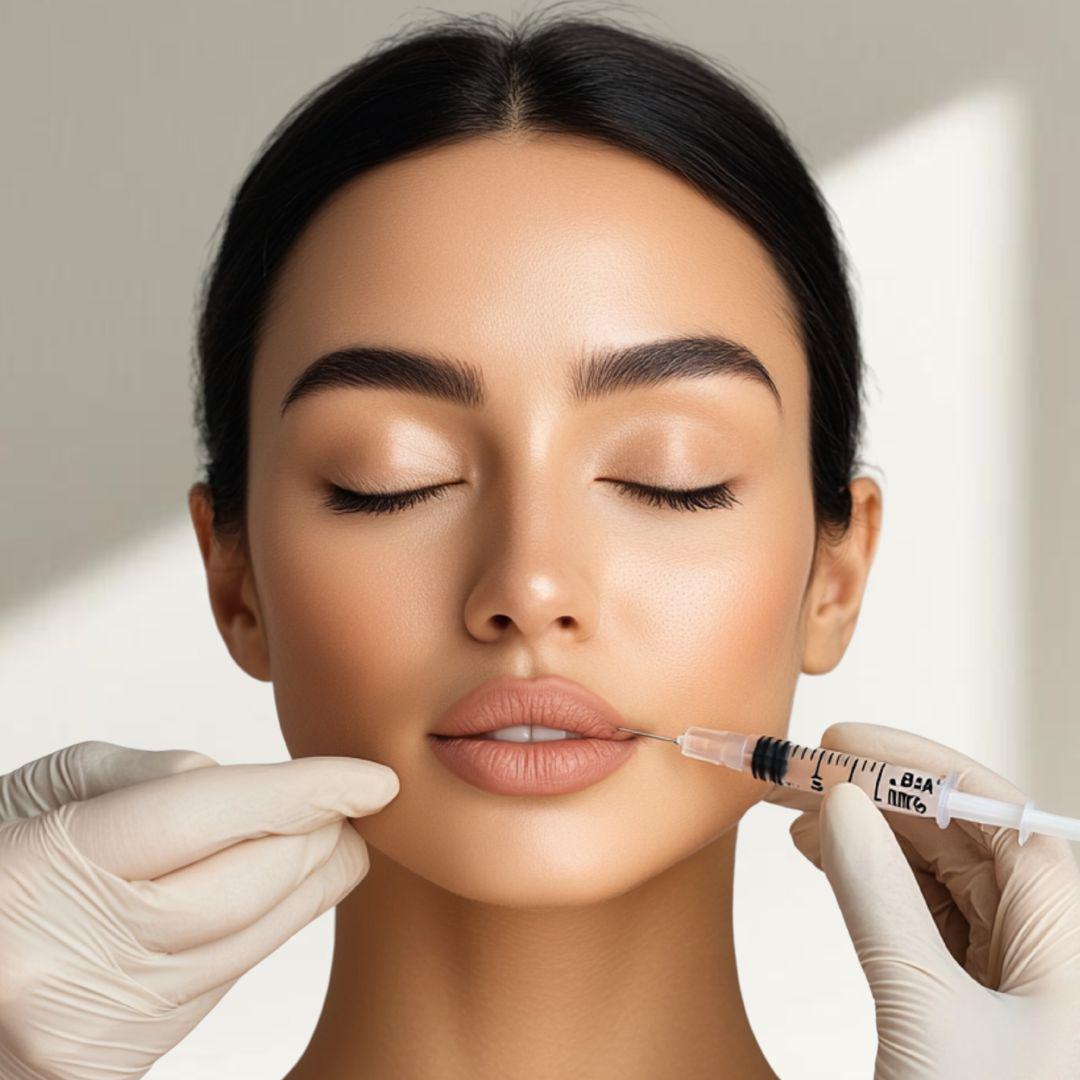
In 2016, The General Medical Council (GMC) issued new guidance to aesthetic practitioners. These standards are outlined in Guidance for practitioners who offer cosmetic interventions and relate to patient consultations, giving patients time to reflect and advertising responsibly.
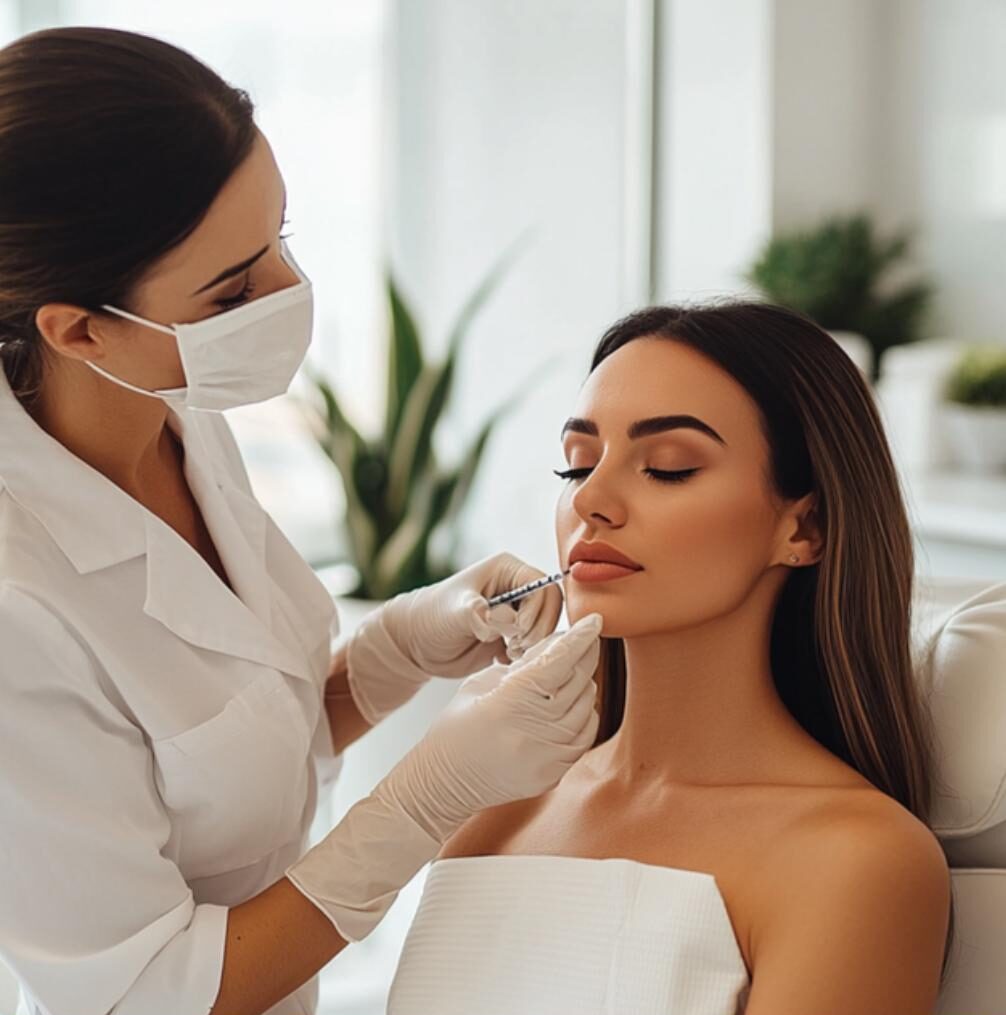
Directly seeking patient consent: The practitioner who will be carrying out the intervention, is responsible to discuss it with the patient and seek their consent. This responsibility must not be delegated. It is essential to a shared understanding of expectations and limitations that consent to a non-surgical cosmetic intervention is sought by the practitioner who will perform it and making sure they have the information they need to make an informed decision.
Give Patients Time For Reflection: Patients must be given time and information they need to reach a voluntary and informed decision about whether to go ahead with an intervention. Have time to consider the information about the risks and possible outcomes, so they can decide whether to go ahead with a procedure. The amount of time patients need for reflection and the amount and type of information they will need is variable. The patient must be told that they can change their mind at any point.
Consider Your Patients Psychological Needs: psychological and emotional wellbeing is very important and must be considered before performing a treatment on any patient. Patient’s vulnerabilities must be considered when discussing cosmetic interventions.Patient well-being and psychological and emotional support are essential to make informed decisions. There are many available tools and questionnaires for psychological assessments but one-to-one live human interaction, active listening and two-way communication is equally powerful. Practitioners that feel they cannot safely meet a patient’s needs must ask for advice or refer a patient to a colleague. Practitioners must recognise and work within their own limits.
Make Sure Patients Have the Information They Want or Need: Verbal and/or written information that explains the intervention should be given to patients so they have received enough details, including relevant information about the medicines, devices or products used. Records should be organised in a way, that allows identification of patients who have been treated with a particular device or medicine in the event of product safety concerns or regulatory enquiries.
Take Particular Care if Considering Cosmetic Procedures for Children: It is not appropriate to provide non-surgical cosmetic interventions to children under 16 years of age unless there are specific, medical indications. Do not perform a cosmetic intervention on a child without directly judging it is wanted – even if the parent has given their consent.
Responsible Marketing: You must make sure the information you publish is factual, verifiable. The marketing must be responsible and not minimise the risks of interventions and must not exploit patients’ vulnerability. Marketing tactics to encourage patients to make ill-considered decisions must be avoided and cosmetic procedures should not be offered as prizes.
Being open and honest with patients about the risks involved should be the main intention during the consultation.
Categories
Popular Posts

Popular courses
Choose your Level
Payment accepted



Copyright © 2025 London Aesthetic Courses, All rights reserved. Designed and developed by Websequel.com