

Anti-Wrinkle vs Dermal Filler Training – Which Course Should You Take First? (2026 Guide)
-
19 March 2026
-
by
-
No Comments
Anti-Wrinkle vs Dermal Filler Training – Which Course Should You Take First?
If you’re considering starting a career in aesthetics, one of the first decisions you’ll face is:
Should you start with anti-wrinkle training or dermal filler training?
Both treatments are among the most in-demand in the UK aesthetics market—but they are very different in technique, purpose, and learning approach.
Understanding these differences is key to choosing the right starting point.
⸻
Understanding the Difference Between Anti-Wrinkle & Dermal Fillers
Although often grouped together, these treatments work in completely different ways.
⸻
What Is Anti-Wrinkle Training?
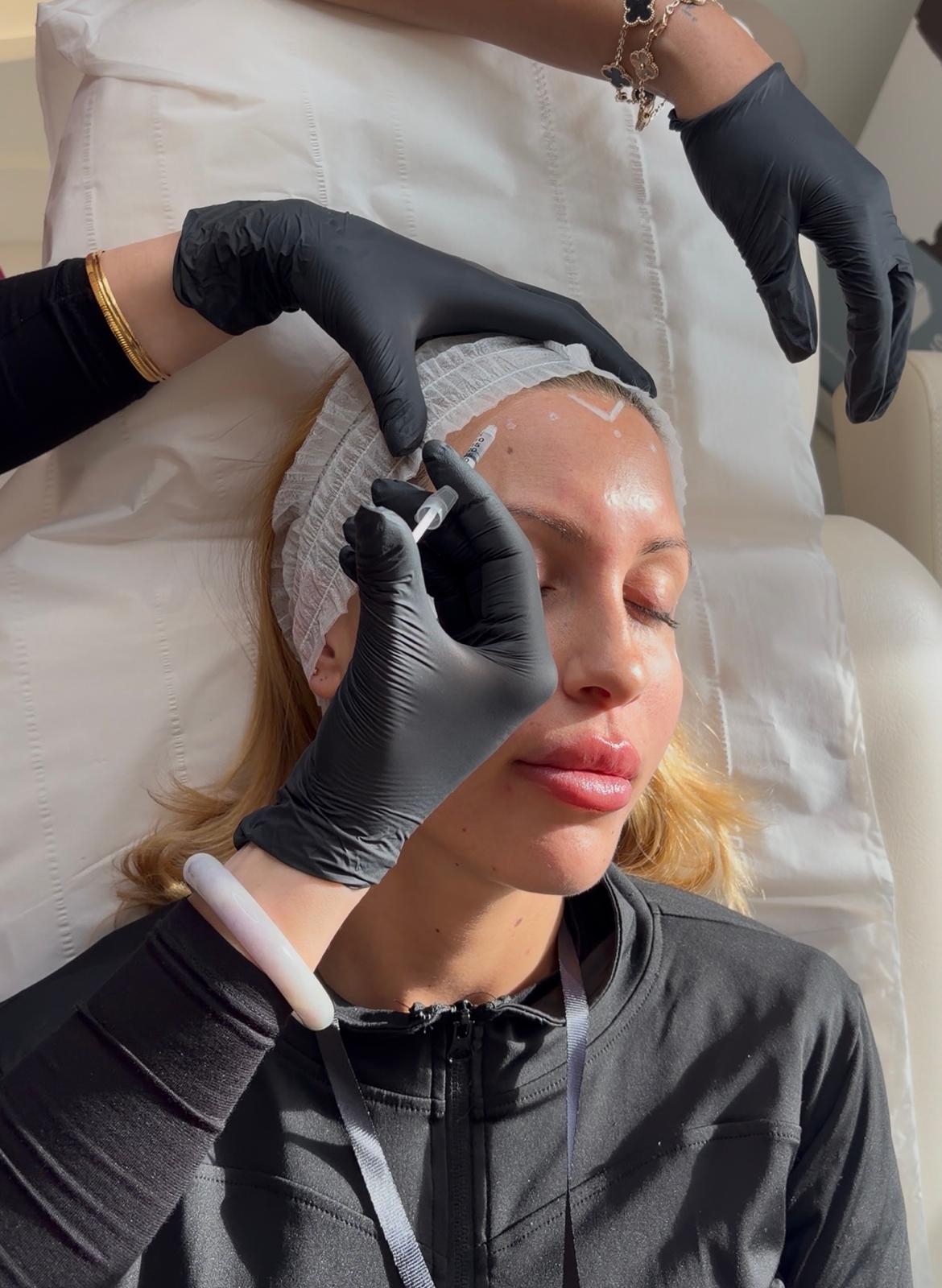
Anti-wrinkle training focuses on relaxing targeted facial muscles to reduce the appearance of dynamic lines.
You will learn:
•Treatment of forehead lines, frown lines, and crow’s feet
•Detailed facial muscle anatomy
•Dosage control and precision placement
•Patient assessment and consultation
Anti-wrinkle treatments are often considered a more structured and controlled starting point, making them suitable for beginners when taught correctly.
⸻
Progressing to Advanced Anti-Wrinkle Treatments
Once you have completed your foundation anti-wrinkle training, you can progress into more advanced techniques.
Advanced anti-wrinkle training may include:
•Brow lift techniques
•Bunny lines and nose slimming
•Lip flip treatments
•Gummy smile correction
•Jaw slimming (masseter treatment)
•Hyperhidrosis (excessive sweating treatment)
•Advanced dosing and combination techniques
These treatments allow you to:
•Expand your treatment offering
•Increase client satisfaction
•Charge higher prices for specialised treatments
•Stand out as a more advanced practitioner
Progressing into advanced training ensures you continue to grow your skills while staying aligned with safe practice and insurance requirements.
⸻
What Is Dermal Filler Training?
Dermal filler training focuses on restoring volume, enhancing features, and improving overall facial balance.
You will learn:
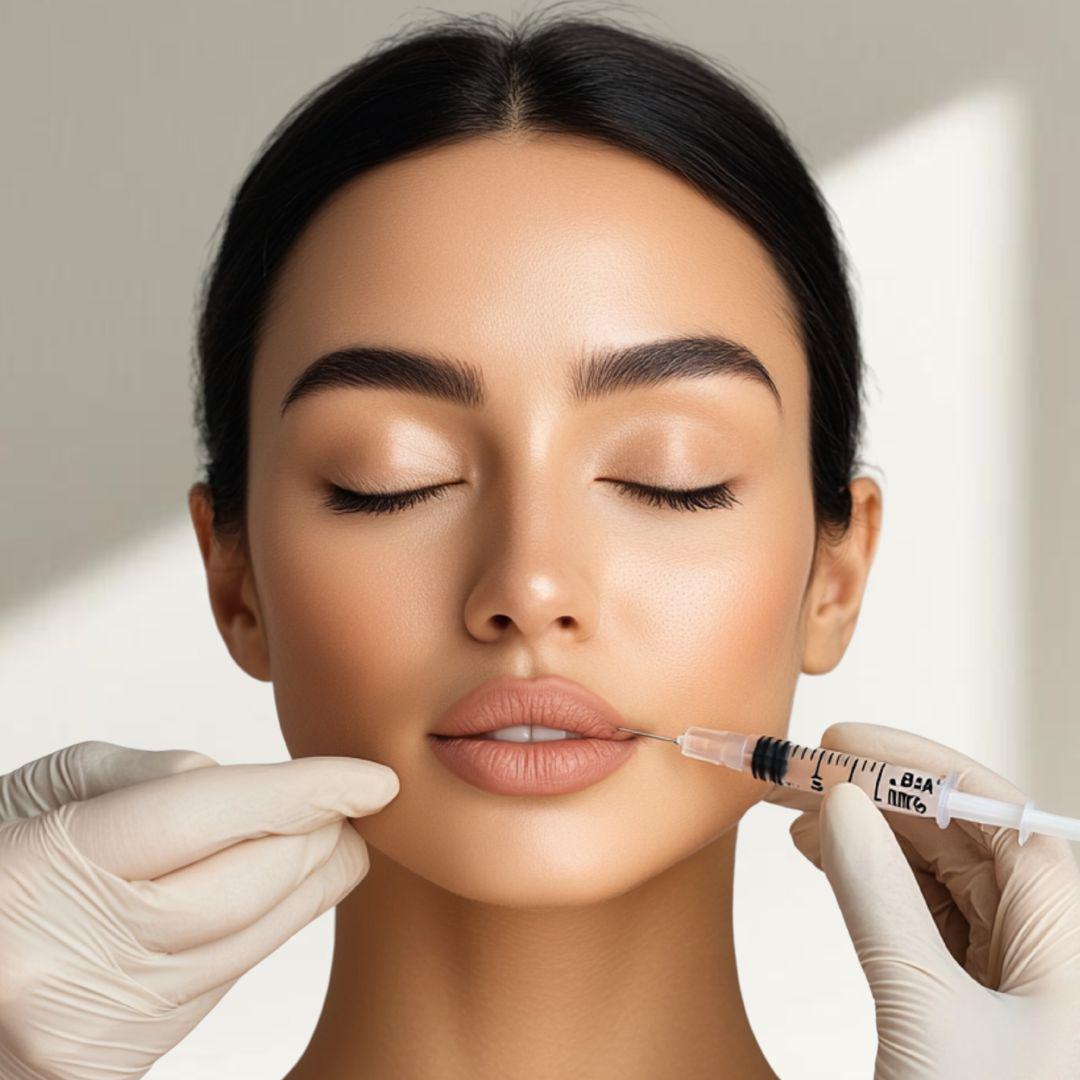
•Lip enhancement techniques
•Facial contouring and proportions
•Hyaluronic acid product knowledge
•Safe injection techniques
Dermal fillers require a high level of anatomical understanding, precision, and safety awareness, as you are working with facial structure rather than muscle movement.
⸻
Foundation Dermal Filler Training (UK Standard)
In the UK, all practitioners must begin with core foundation areas before progressing to advanced treatments.
These include:
•Lips (lip augmentation)
•Nasolabial folds (smile lines)
•Marionette lines (lines from mouth to chin)
These areas are essential because they:
•Build your understanding of facial anatomy
•Develop safe injection techniques
•Help you gain confidence with product handling
•Are recognised by insurance providers as part of foundational competency
👉 This is the starting point for all practitioners—both medics and non-medics.
⸻
Progressing to Advanced Dermal Filler Treatments
Once you have mastered the foundation areas, you can progress into more advanced procedures.
Advanced dermal filler training may include:
•Jawline contouring
•Advanced lip techniques (e.g. Russian lips, shaping, volume layering)
•Chin augmentation
•Non-surgical rhinoplasty
•Cheek and mid-face volume restoration
•Tear trough (under-eye filler)
•Temple filler
•Perioral rejuvenation
•Full facial contouring and harmonisation
These advanced treatments allow you to:
•Offer higher-value procedures
•Deliver full-face transformations
•Increase your pricing and profitability
•Stand out in a competitive market
However, these should only be performed after completing foundation training and gaining real clinical confidence.
⸻
Why You Should Learn Both From the Start
In 2026, the most successful practitioners don’t choose one—they learn both.
To safely and effectively practise aesthetics, you need a strong foundation in both anti-wrinkle and dermal filler treatments.
This is because:
•Clients often require a combination of treatments
•Treatment plans are built holistically
•Offering both increases your earning potential
•It improves patient satisfaction and retention
👉 A combined foundation approach gives you the best possible start.
⸻
The Importance of Proper Foundation Training
Before treating any client, it’s essential to understand more than just injection techniques.
A high-quality training course should cover:
Theoretical Knowledge
•Facial anatomy and physiology
•Product types and indications
•Patient consultation and assessment
Practical Training
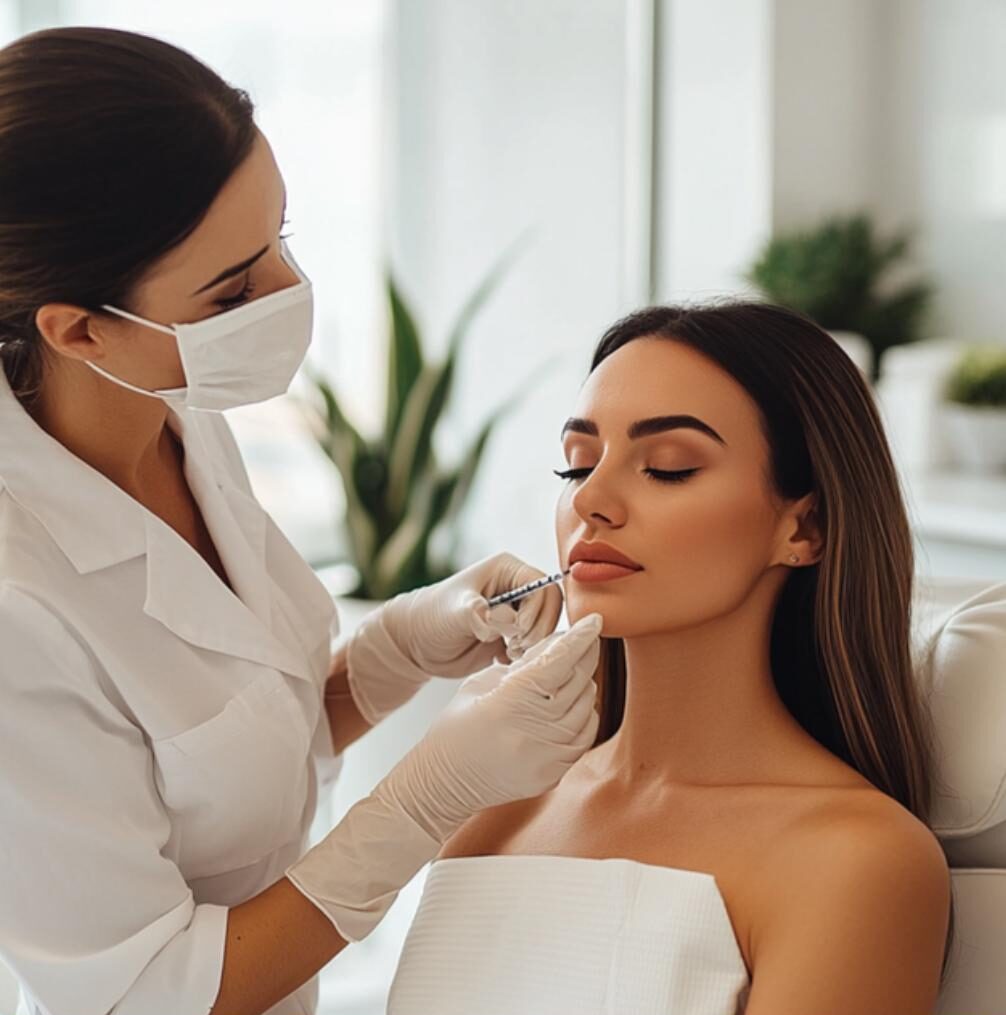
•Hands-on experience with live models
•Supervised injections
•Technique development and confidence building
Complication Management (Critical in 2026)
•Recognising early signs of complications
•Managing vascular occlusion and adverse events
•Emergency protocols and escalation
•Patient safety and risk reduction
👉 Understanding complications is not optional—it is a core requirement for safe practice and insurance eligibility.
⸻
Legal & Compliance
•UK laws and regulations
•Insurance requirements
•Consent and documentation
•Scope of practice for medics and non-medics
👉 This is what separates a confident, professional practitioner from someone who is undertrained.
⸻
Training Pathways for Medics & Non-Medics
The right pathway depends on your background—but both lead to safe, confident practice.
⸻
For Non-Medics
The best starting point is:
This comprehensive course includes:
•Anti-wrinkle foundation training
•Dermal filler foundation training
•A total of 6 recognised certificates
•Full theory and practical training
•Legal, insurance, and compliance guidance
•Complication management training
This means you are not just learning two treatments—you are gaining a complete foundation across multiple essential areas of aesthetics.
It is specifically designed to take you from:
👉 Complete beginner → Fully trained, insurable practitioner
⸻
For Medics
If you have a medical background, you can choose:
👉 Option 1: 3 Day Fast Track Course
A complete, accelerated route covering both treatments and additional certifications.
👉 Option 2: Separate Foundation Courses
•Foundation Anti-Wrinkle Course
•Foundation Dermal Filler Course
Both options meet industry standards, legal requirements, and insurance criteria.
⸻
Career & Income Potential
Training in both treatments significantly increases your opportunities.
You will be able to:
•Attract a wider client base
•Create tailored treatment plans
•Increase repeat bookings
•Maximise revenue per client
In a competitive market like London, offering both treatments gives you a clear advantage.
⸻
Final Recommendation
If you’re serious about entering the aesthetics industry in 2026, the best approach is clear:
👉 Start with a combined foundation in anti-wrinkle and dermal filler training
This gives you:
•The knowledge to practise safely
•Insurance eligibility
•Real confidence with clients
•A strong platform to grow your business
⸻
Start Your Aesthetics Journey Today
Whether you’re a medic or non-medic, our accredited courses are designed to give you everything you need—from theory and practical skills to legal knowledge, complication management, and ongoing support.
Categories
Popular Posts

Popular courses
Choose your Level
Payment accepted




Copyright © 2025 London Aesthetic Courses, All rights reserved. Designed and developed by Websequel.com