


PRINCIPLES OF BOTULINUM TOXIN IN AESTHETIC MEDICINE
-
25 September 2023
-
by
-
No Comments
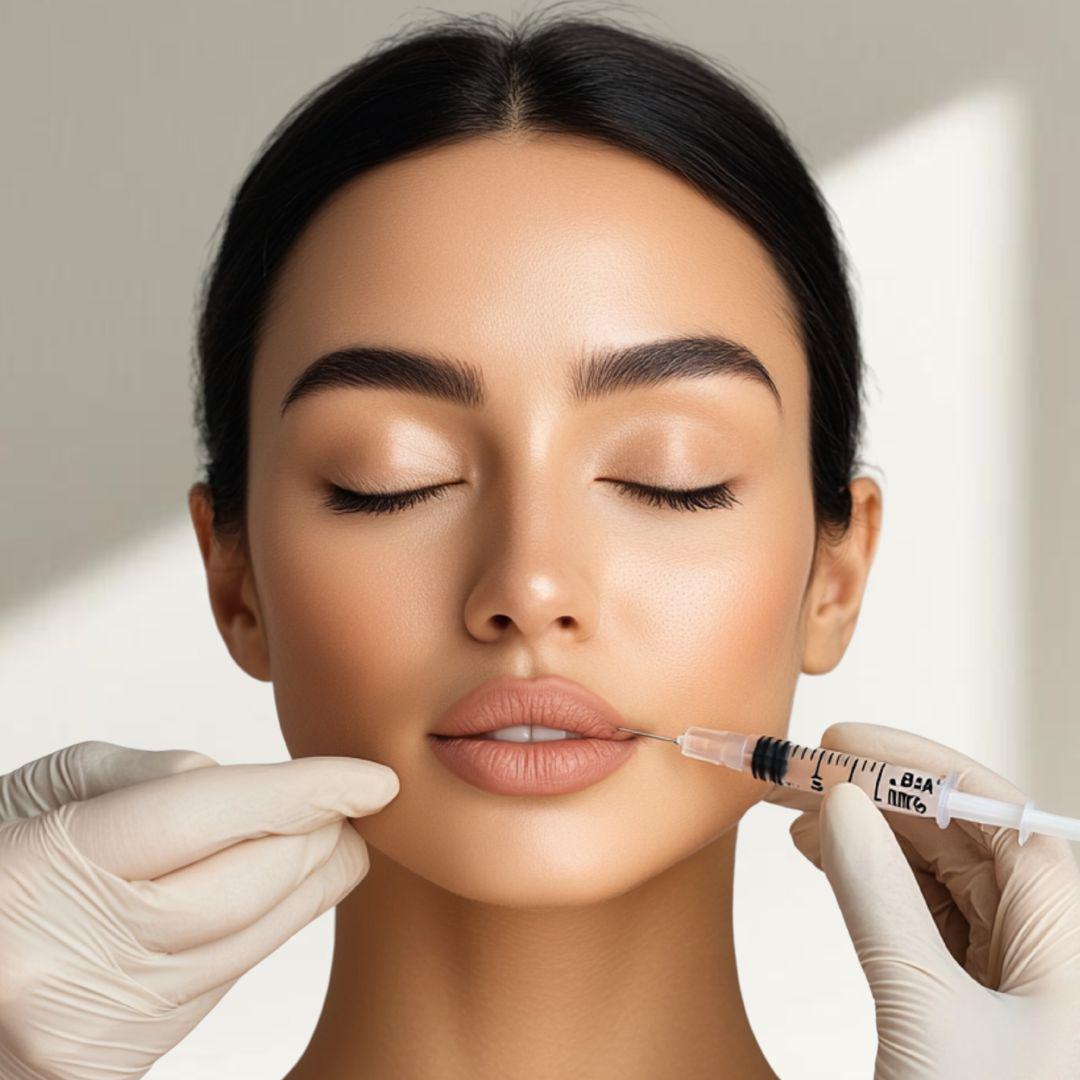
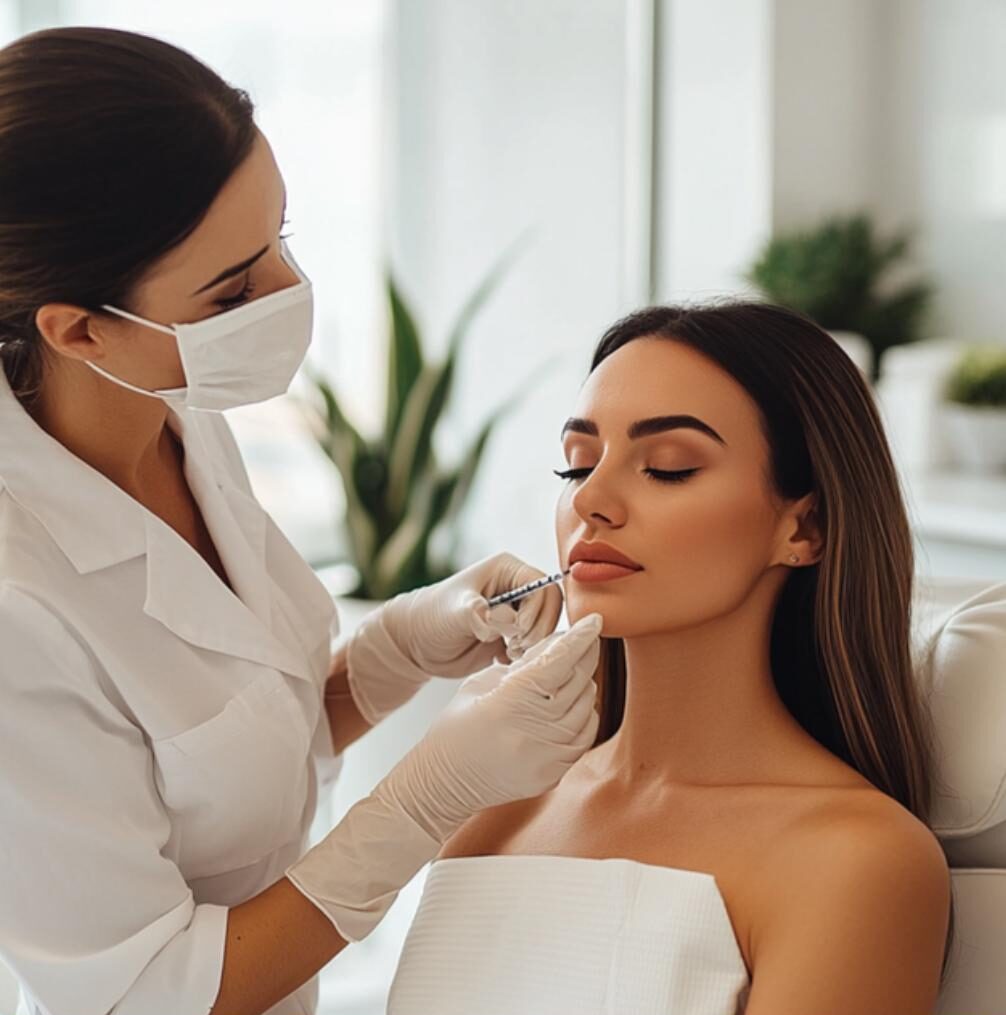
Botulinum Toxin is a neurotoxin made by the bacteria Clostridum Botulinum, anaerobic bacteria found in soil. Botulinum Toxin is purified for clinical and cosmetic use. Botulinum Toxins are divided into 7 types by their differences in potency and duration of action. Botulinum Toxin Type A is the most potent of the types and therefore is used for clinical and cosmetic purposes.
Once injected into the muscle, the mechanism of action of botulinum toxin is to cause temporary muscle paralysis through inhibiting the release of the neurotransmitter acetylcholine from motor nerve terminals. This prevents muscular contraction and hence creates the desired cosmetic effects. With time, synaptic-sprouting and receptor formation leads to the reoccurrence of muscular contractions and hence the ‘wearing off effect’ of botulinum toxin.
Medical Indications:
- Cervical Dystonia is involuntary movements/contractions of muscles. BOTOX® is licensed in the UK for this use.
- Cerebral Palsy and Limb Spasticity. Cerebral Palsy affects balance, voluntary movement, and posture. BOTOX® is only licensed for the treatment of Spastic Cerebral Palsy and not the other forms of this disease.
- Blepharospasm is Involuntary spasms of the eyelid muscles causing excessive blinking. BOTOX® is licensed in the UK for this use
- Migraine. BOTOX® is licensed specifically for the treatment of chronic migraine but has not been shown to be effective for any other headache type (e.g. episodic migraine, tension type headache, cluster headache) as yet. https://doctorbinder.com/
procedures/facial-treatments/ botox-for-migraines/ - Overactive Bladder. BOTOX® is licensed to treat people with neurogenic detrusor over activity (or overactive bladder symptoms), commonly experienced in people with MS. https://www.nejm.org/doi/full/
10.1056/NEJMoa1208872#t= articleDiscussion
Contraindications for Treatment:
- Those with a known hypersensitivity to Botulinum Toxin Type A or to any of its’ excipients e.g. human albumin, and sodium chloride.
- Neuromuscular disorders such as myasthenia gravis or Eaton Lambert Syndrome.
- Pregnancy or breast feeding.
- Co-treatment with Aminoglycoside antibiotics, or medicinal products which interfere with neuromuscular transmission (e.g. tubocurarine – type muscle relaxants).
- < 18 years old
- Concurrent use of Anticoagulants, Aspirin, Vitamin E, Chloroquine, Calcium antagonists.
Categories
Popular Posts

Popular courses
Choose your Level
Payment accepted



Copyright © 2025 London Aesthetic Courses, All rights reserved. Designed and developed by Websequel.com